How to load a dump trailer like a pro
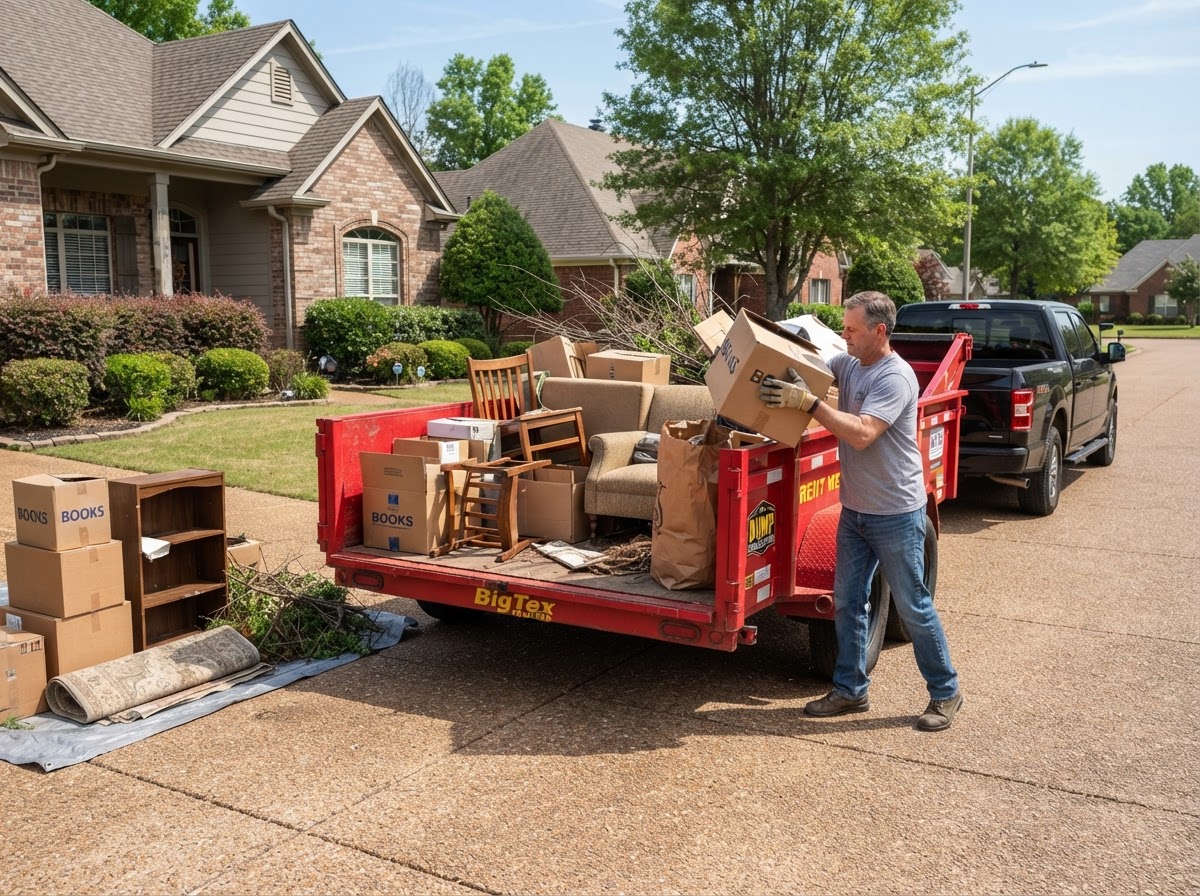
To load a dump trailer safely, place the heaviest materials flat on the floor first, balance the weight evenly side-to-side and front-to-back, roll wheelbarrows in through the rear barn doors, and keep debris level with the walls — never piled above them.
Key takeaways
- 1Load dense, heavy materials low and flat on the trailer floor first.
- 2Balance weight evenly left-to-right and front-to-back to prevent leaning.
- 3Roll wheelbarrows through the dual swing barn doors instead of lifting over the walls.
- 4Keep debris level with the side walls; never pile above them or it can blow out.
- 5Bag or tie down loose, lightweight items so they don't scatter on the road.
Loading a dump trailer the right way keeps your load stable on the road, protects the trailer bed, and helps you avoid disposal overages. A few simple habits make a big difference whether you're clearing a garage or hauling demo debris.
Start with the heavy stuff on the bottom
Place dense, heavy materials — concrete, dirt, appliances, and bundled lumber — flat against the floor first. A low center of gravity keeps the trailer from shifting in corners and prevents lighter debris from crushing down during transport.
Distribute weight side to side
Aim for an even load from left to right and front to back. Piling everything on one side makes the trailer lean and can cause uneven tire wear. If you're loading bulky items, alternate sides as you build up.
Use the barn doors for wheelbarrow access
Our trailers open with dual swing barn doors, so you can roll a wheelbarrow straight in instead of heaving debris over the walls. Keep the ramp area clear and load in layers from the front toward the gate.
Don't overfill past the walls
Debris piled above the side walls can shift or blow out on the road and may be rejected at the transfer station. Fill to the walls, then level off. If you're running out of room, you likely need a bigger trailer or a second load.
- Load heavy and dense materials first, low and flat.
- Balance the weight evenly left-to-right and front-to-back.
- Roll wheelbarrows in through the barn doors instead of lifting.
- Keep debris level with the walls — never piled above them.
- Tie down or bag loose, lightweight items so they don't blow out.
When you're done, snap a photo of the load before we pick up. It's a handy record of what went in and helps us quote the right disposal weight. Ready to book? Check availability and we'll drop the right-size trailer at your door.
Ready to put this to work?
Check your address and reserve a driveway-safe dump trailer in minutes. Same-day drop-off across Stanwood and the North Cascade region.
Keep reading
All articles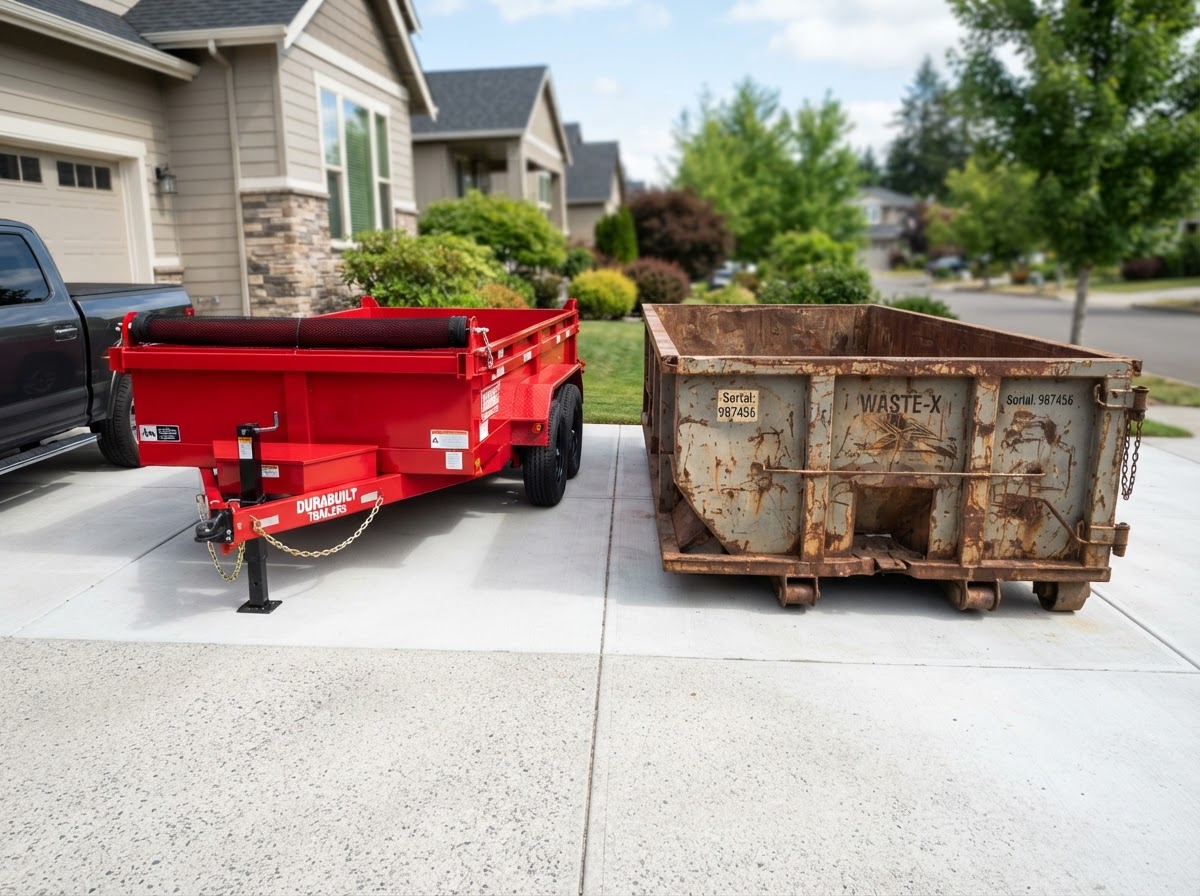 Comparison
Dump trailer vs. roll-off dumpster: which wins for your driveway?
Rubber tires, low loading decks, and hydraulic lift beds make dump trailers the driveway-safe choice. We break down the real differences in cost, access, and surface protection.
Read article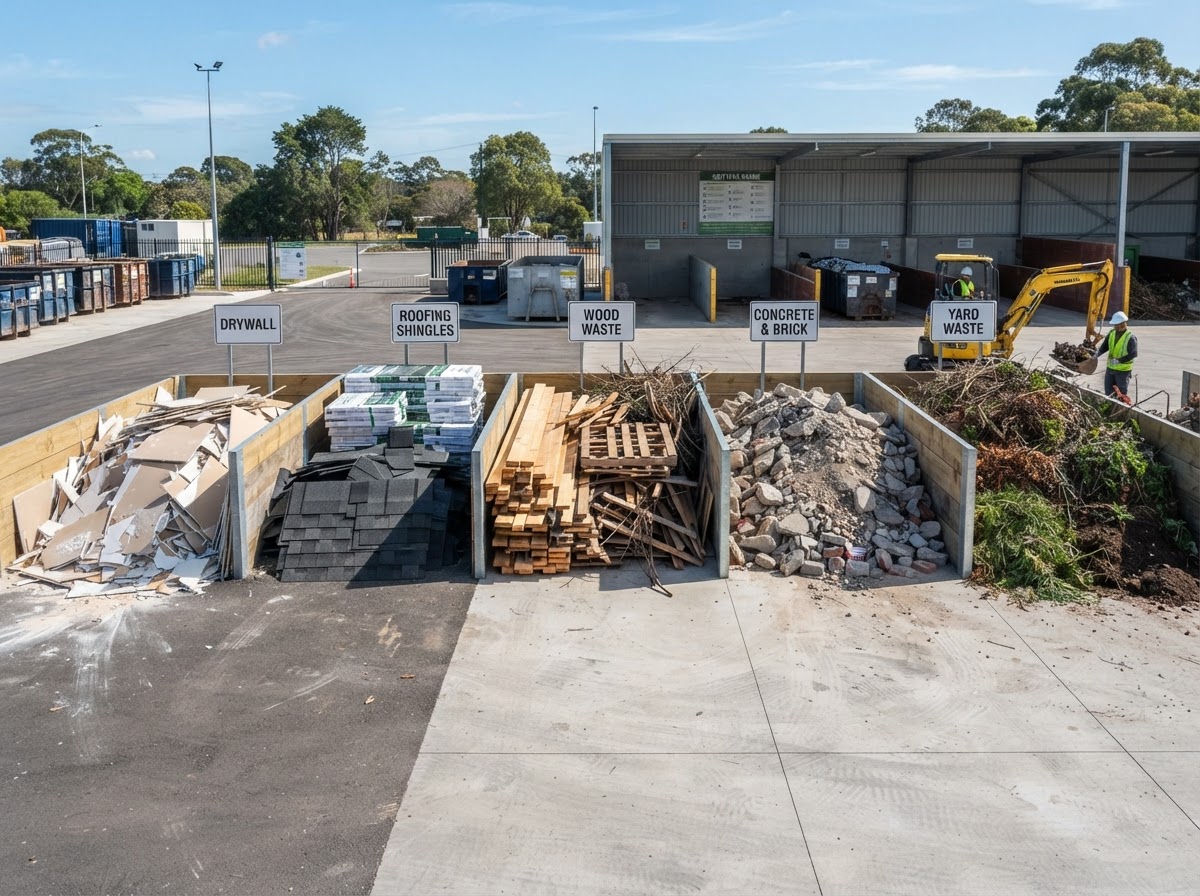 Guide
What can go in a dump trailer? A materials checklist
From drywall and shingles to concrete and yard waste, here's exactly what we accept — plus the restricted items to keep out of your load to avoid disposal surcharges.
Read article Cost-Saving
How to estimate your debris weight before you book
Disposal is billed by actual scale weight, so a quick estimate helps you pick the right trailer size and avoid overage surprises. Use our per-material weight cheat sheet for common cleanout loads.
Read article