Dump trailer vs. roll-off dumpster: which wins for your driveway?
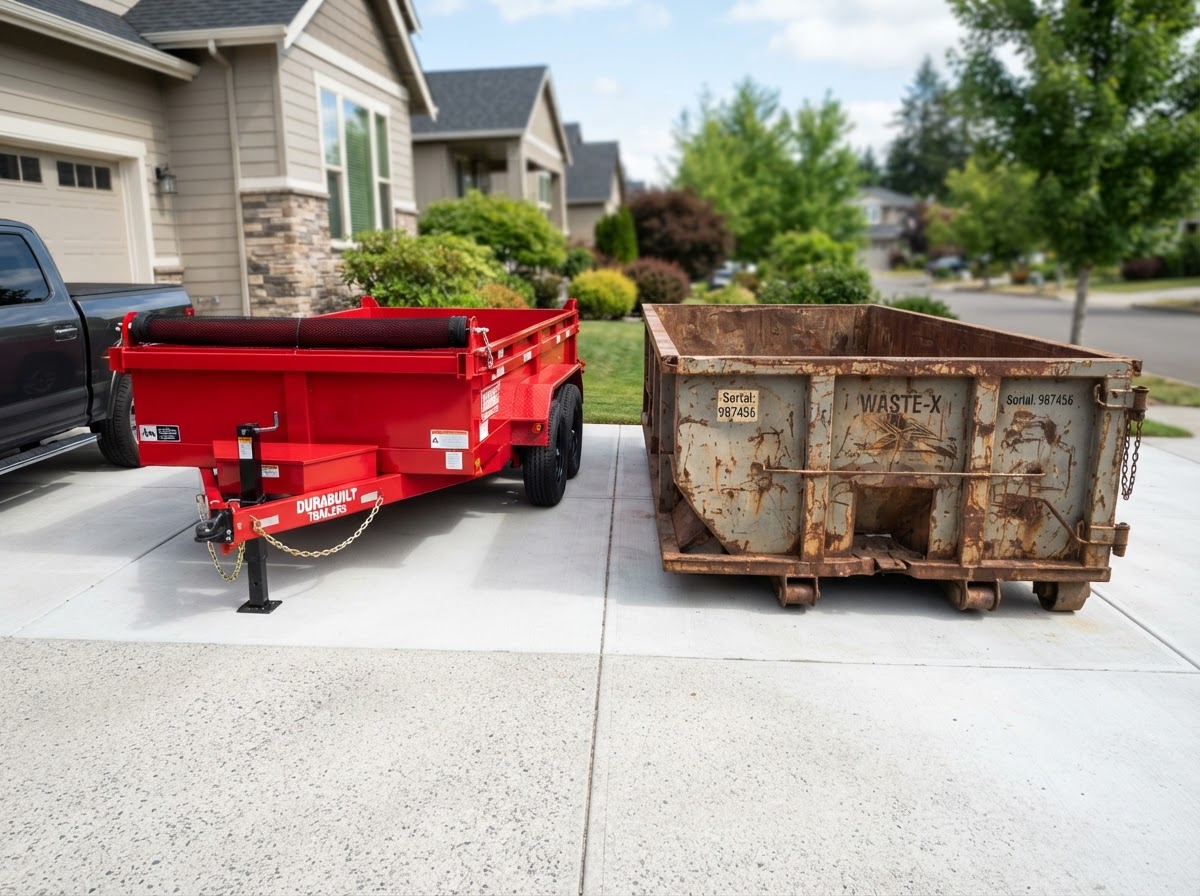
A dump trailer beats a roll-off dumpster for most residential driveways because it rolls in on rubber tires (no surface gouging), has a lower loading deck with walk-in barn doors, and can be swapped quickly thanks to its hydraulic lift bed. Roll-offs drag on steel skids and sit on the property until hauled away whole.
Key takeaways
- 1Dump trailers roll in on rubber tires and sit on wood blocks; roll-offs drag on steel skids that gouge concrete.
- 2Dump trailer loading decks are lower than roll-off walls, so there's less heavy lifting.
- 3Hydraulic lift beds enable fast trailer swaps for multi-day jobs that generate debris in waves.
- 4Dump trailers fit narrow, steep, or newly poured driveways where roll-off trucks can't maneuver.
- 5Both options bill disposal by actual weight; dump trailers win on access and surface protection.
If you're choosing between a roll-off dumpster and a hydraulic dump trailer, the differences come down to surface protection, loading height, and how the debris actually leaves your property. For most residential driveways, the dump trailer wins on all three.
Driveway protection
Roll-off dumpsters are delivered on steel skids that drag across concrete and asphalt — that's where the gouges and cracks come from. Our dump trailers roll in on pneumatic rubber tires and sit on custom wood blocks, so your driveway surface stays intact.
Loading height
A standard roll-off dumpster wall is roughly three to four feet high. Our trailers have a low loading deck and walk-in barn doors, so you can step inside or roll a wheelbarrow right up to the debris. Less lifting means faster loading and a safer back.
How debris gets hauled away
Roll-offs stay on your property until they're full, then get trucked off whole. A dump trailer lifts its bed hydraulically and empties at the transfer station, which means we can swap a full trailer for an empty one fast — ideal for multi-day jobs that generate debris in waves.
Cost and flexibility
Both options bill disposal by actual weight. The difference is access: dump trailers fit in tighter driveways, reach backyards through standard gates, and don't need the wide clearance a roll-off truck requires. If your driveway is narrow, steep, or newly poured, the trailer is the safer call.
- Rubber tires + wood blocks protect concrete and asphalt.
- Low deck and barn doors mean less heavy lifting.
- Hydraulic lift enables quick swaps for ongoing jobs.
- Fits narrow driveways and backyard access points.
Ready to put this to work?
Check your address and reserve a driveway-safe dump trailer in minutes. Same-day drop-off across Stanwood and the North Cascade region.
Keep reading
All articles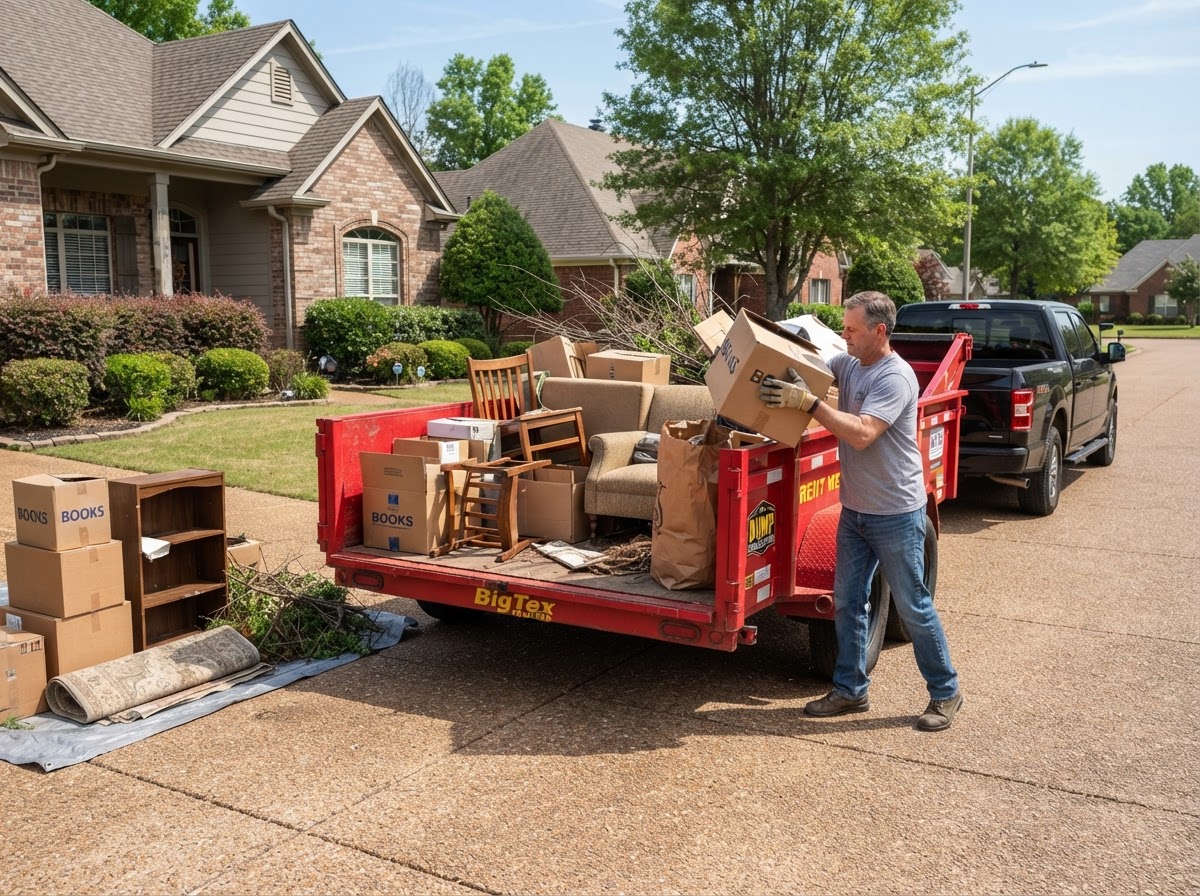 How-To
How to load a dump trailer like a pro
Distribute weight evenly, load heavy items low, and use the barn doors for easy wheelbarrow access. Our step-by-step loading guide keeps your trailer stable and your disposal costs down.
Read article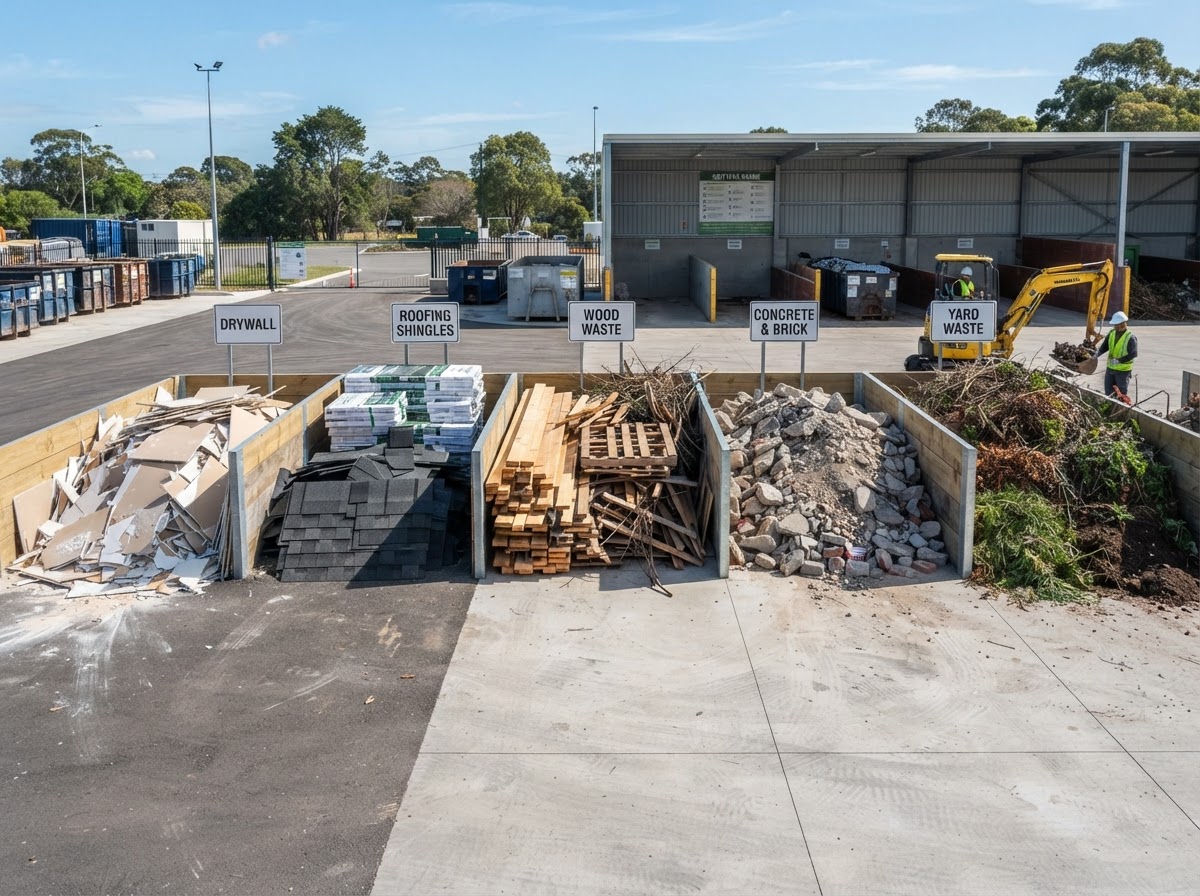 Guide
What can go in a dump trailer? A materials checklist
From drywall and shingles to concrete and yard waste, here's exactly what we accept — plus the restricted items to keep out of your load to avoid disposal surcharges.
Read article Cost-Saving
How to estimate your debris weight before you book
Disposal is billed by actual scale weight, so a quick estimate helps you pick the right trailer size and avoid overage surprises. Use our per-material weight cheat sheet for common cleanout loads.
Read article